Nieuws
Wapperen met andermans rechten
Helaas, ik heb de herroepingszaak met ANP zoals ik in augustus al vreesde verloren omdat ik de verkeerde rechtsopvolger van Hollandse Hoogte dagvaardde.
ANP is ter zitting met maar liefst drie advocaten verschenen en ik heb onder andere Ywein van den Brande, een van de oprichters van Permission Machine, de hand mogen schudden. De aanwezige commercieel directeur Jessica van der Waal wekte de indruk dat zij niet op de hoogte is dat ANP wappert met de rechten van freelance fotografen. Ik vermoed fotografen zelf ook niet. Je moet kennis van de wet hebben om te doorzien dat ANP het auteursrecht moet BEZITTEN om schadevergoeding bij schending ervan te kunnen vorderen.
Tweede poging
Niet getreurd. Ik heb rekening gehouden met het risico dat de rechter de rechtspersoon niet zou wijzigen en heb afgelopen oktober de juiste rechtspersoon gedagvaard. Oktober 2025 volgt een nieuwe poging. Voor de proceskosten ben ik een crowdfunding opgestart.
Obstakel dit keer wordt de herroepingstermijn. Het dagvaarden voor een herroepingszaak dient te gebeuren binnen drie maanden nadat de gronden voor herroeping bekend zijn geworden.
Verkeerde rechtspersoon is geen grond, dat had ik de deurwaarder uit kunnen laten zoeken. $%!# Netjes gezegd: ik had meer klantgerichtheid verwacht van een deurwaarder die het dubbele tarief rekent.
Ik dagvaardde op basis van een vermoeden en dat vermoeden blijkt juist. Ik weet sinds 1 augustus dat de fotograaf een deel van de door mij betaalde schadevergoeding heeft gekregen. Het ultieme bewijs dat Hollandse Hoogte niet op EIGEN NAAM mocht vorderen.
De Rijdende rechter
Met de kennis van nu keek ik de uitzending van de Rijdende rechter van maart 2017 terug. Ik nam contact op met de ‘fotodief’ en ook bij haar bleek de naam van de fotograaf in het gehele voortraject en in de processtukken niet voor te komen. Uiteraard zal de fotograaf in deze kwestie vanwege alle publiciteit zijn rechtmatige deel hebben gekregen. Maar Hollandse Hoogte had, net als in mijn zaak, MEDE NAMENS de fotograaf moeten vorderen.
Grappig om mijn woorden van destijds, toen ik nog geen idee had van het misbruik van fotorechten, terug te lezen. Hoe ik er nu over denk lees je hier.
De dame uit de uitzending schreef een stukje naar aanleiding van ons telefoongesprek.
Overig nieuws
Het boek over fotorecht vordert gestaag. Door dingen uit te zoeken en op een rijtje te zetten leer ik er zelf ook een boel van. Dat de auteurswet gedateerd is blijft een ding. Onbegrijpelijk dat de term hyperlink, hyperlinks zijn de bouwstenen van internet, ontbreekt. Ik ontdekte de term echter wel in de wet voor uitgevers.
De meldingen van claims blijven binnen komen. En of ik al niet genoeg ‘munitie’ heb, ik vond een door ANP geclaimde foto terug bij Alamy onder een andere naam van de fotograaf.
Voorlopig moet ik dus nog wel even door. Teken en deel de petitie! Deel je ervaringen online. Een desinfecterend zonnetje is hard nodig met een pers die onderdeel is van het probleem.
En steun mijn gerechtelijke stappen tegen ANP door een donatie te doen of bekendheid te geven aan de crowdfunding: alle kleine beetjes helpen.
Groet! De petitionaris
Beste ondertekenaars
Door omstandigheden is deze petitie op twee plaatsen online gekomen. We willen de ondertekeningen graag op één plek verzamelen en verzoeken u te ondertekenen op :
Op een andere petitiesite te ondertekenen
Vast hartelijk dank!
Rob Elens, huisarts.
https://www.nieuweoogst.nl/nieuws/2020/05/15/nvm-signaleert-trek-van-randstedeling-naar-buitengebied?fbclid=IwAR1WOKtC-CpAxgTeJJDUOnD8FvSKTjzEnMQ5mIovXkQS_2ZsjhQY4uBcqIA
' Het platteland gaat de komende tien jaar drastisch veranderen ' .
Corona: 535 euro collegegeld retour voor late afstudeerders!
Wie tussen september 2020 en eind januari 2021 afstudeert, krijgt drie maanden collegegeld terug. Voor studenten van universiteiten en hogescholen is dat 535 euro.
Het ministerie neemt aan dat veel van deze studenten zonder de coronacrisis sneller klaar zouden zijn.
Maar dat wordt niet per student vastgesteld: de treuzelaars onder hen hebben dus geluk.
Het kabinet heeft ook gekeken naar studenten met een aanvullende beurs en/of basisbeurs. Als zij hun recht op deze beurs verliezen in de maanden juli, augustus en september, krijgen ze een tegemoetkoming. Voor hbo- en wo-studenten gaat het om eenmalig 1.500 euro.
Andere studenten kunnen hun studievertraging inhalen in de loop van hun opleiding, is de gedachte van minister Van Engelshoven. Dat zei ze twee weken geleden in debat met de Tweede Kamer.
De oppositie wilde meer geld voor gedupeerde studenten. Een voorstel van de PvdA kreeg zelfs de helft van de Tweede Kamer achter zich: wie nu een aanvullende beurs heeft (van eerstejaars tot afstudeerder) zou daar drie maanden langer het recht op moeten krijgen. Alleen de vier coalitiepartijen (VVD, CDA, D66 en ChristenUnie) stemden ertegen, in afwachting van de plannen van de minister.
CDA en D66 hadden het kabinet eerder in een motie opgeroepen om de gevolgen van de coronacrisis voor studenten in beeld te brengen en “waar nodig studenten te ondersteunen, bijvoorbeeld bij opgetreden studievertraging”.
Het besluit van vandaag is het antwoord op die motie. Het kabinet neemt een ‘generieke maatregel’ voor een grote groep studenten zonder uit te zoeken wie daadwerkelijk last heeft van de crisis en wie niet. Dat maakt de maatregel makkelijker en sneller uitvoerbaar.
Studenten kunnen overigens van hun universiteit of hogeschool een beurs krijgen als ze zelf ziek zijn geworden, zoals de minister in het debat zei. Daarvoor moeten ze een beroep doen op het zogeheten profileringsfonds. Dat geldt ook voor studenten die mantelzorg moeten verlenen of in andere bijzondere omstandigheden verkeren.
Wel verschillen de regels voor deze profileringsfondsen nogal. Aan sommige universiteiten moeten studenten snel zijn als ze er een beroep op willen doen, anders vissen ze achter het net.
Zie artikel Univers: https://universonline.nl/2020/05/15/corona-535-euro-collegegeld-retour-voor-late-afstudeerders
Forbes: Are These Tech Companies Complicit In Human Rights Abuses Of Child Cobalt Miners In Congo?
Ewelina U. Ochab
In late 2019, some of world’s largest tech companies, including Apple, Alphabet (which isthe parent company of Google LLC), Microsoft, Dell and Tesla (the Defendants), were named in a lawsuit brought in Washington DC court by 13 Congolese families (the Claimants).
The lawsuit alleges that their children were killed or injured while mining for cobalt in the Democratic Republic of the Congo (DRC). Cobalt is a key component of rechargeable lithium-ion batteries, of the type used in electronic devices manufactured by these five companies.
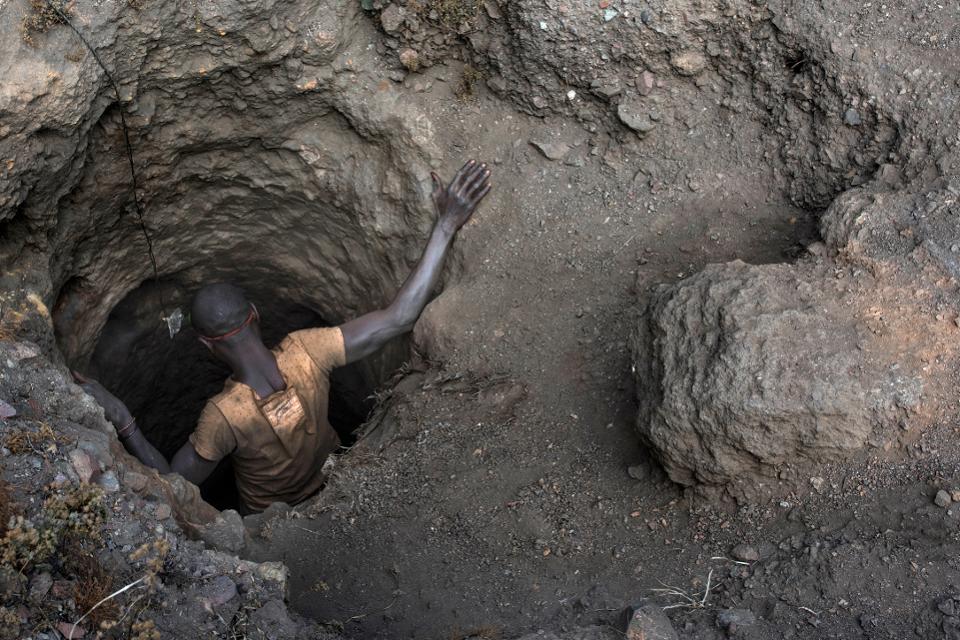
The lawsuit alleges that “the young children mining Defendants’ cobalt are not merely being forced to work full-time, extremely dangerous mining jobs at the expense their educations and futures; they are being regularly maimed and killed by tunnel collapses and other known hazards common to cobalt mining in the DRC.” Apple, Alphabet, Microsoft, Dell and Tesla are alleged to have been aiding and abetting the deaths and serious injuries of the Claimant’s children working in cobalt mines in the supply chain of the tech corporations.
The lawsuit alleges that the companies “are knowingly benefiting from and providing substantial support to this ‘artisanal’ mining system in the DRC. Defendants know and have known for a significant period of time the reality that DRC’s cobalt mining sector is dependent upon children, with males performing the most hazardous work in the primitive cobalt mines, including tunnel digging. These boys are working under stone age conditions for paltry wages and at immense personal risk to provide cobalt that is essential to the so-called ‘high tech’ sector, dominated by Defendants and other companies.”
The families are seeking compensation for, among others, forced labor, unjust enrichment, negligent supervision, intentional infliction of emotional distress, wages promised but not paid, and “the loss of assets and of educational and business opportunities as a result of Defendants’ illegal conduct”, “damages for the mental anguish and pain and suffering Plaintiffs experienced as a result of being forced to labor against their will in horrific conditions and subjecting them to serious injuries and death.” The lawsuit further seeks an order for the tech companies to create a fund to ensure appropriate medical care for all those children who were injured while mining cobalt for the tech companies and to clean up the environmental impact of mining cobalt in DRC by the Defendants.
According to Siddharth Kara, an expert on modern day slavery, “more than 60% of the world’s supply of cobalt is mined in the ‘copper belt’ of the south-eastern provinces of DRC.” His research suggests that “more than 255,000 creuseurs mining cobalt in DRC, at least 35,000 of whom are children, some as young as six.” His research claims that “children under the age of 14 years earn an average of $0.81 per day, adult females earn an average of $1.02 per day, and adult males earn an average of $2.04 per day.”
Who are we?
We are concerned electronics consumers from Columbus (OH). We started this protest as a group of four friends in 2019: Dan, Lisa, Maria, and Robin.
Our protest has been growing ever since. Join us too!
We have alarmed Microsoft multiple times about the inhumane circumstances of Congolese miners at their suppliers' sites. In our calls, we urged them to take measure to stop the exploitation! Unfortunately, we have not received a response yet.
DRC: Alarming research shows long lasting harm from cobalt mine abusesed
Commenting on new research by the universities of Lubumbashi, Leuven and Ghent, which suggests that exposure to toxic pollution is causing birth defects in the children of cobalt and copper miners in the Democratic Republic of Congo (DRC), Mark Dummett, Head of Business, Security and Human Rights at Amnesty International, said:
“When you visit this area of the DRC, one of the most striking things you see is just how polluted it is, and just how little is being done by the government and mining companies to prevent pollution and protect the people living and working there. They simply can’t escape the dust.”
“When we first went into mines in 2015 we saw how men, women and children were working without even the most basic protective equipment such as gloves and face masks, and miners told us about health conditions they experienced, including coughing, pain in their lungs and urinary tract infections.
In one village we visited, people showed us how the water in the local stream that they drank that they said was contaminated by the discharge of waste from a mineral processing plant.”
“There has been mining in the Katanga region for over 100 years, but there has been tragically little research into the impact that pollution has had. This report should prompt the DRC authorities to urgently step up their investigation into the impact of this pollution, and health monitoring of people working in the mines.”
“The alarming findings of this report suggest that the damage done may have a long legacy. This demonstrates the need for greater regulation of the mining sector to enforce environmental and worker protections. This also shows why the multinationals who profit from these mines need to fulfil their responsibility to respect human rights, ensuring they prevent pollution that damages people and the planet. They also need to provide remedy to those who have been harmed by their business operations. The DRC’s mining sector should benefit local communities, not just powerful corporations.”
Amnesty International: Industry giants fail to tackle child labour allegations in cobalt battery supply chains
Microsoft has made least progress!
Major electronics and electric vehicle companies are still not doing enough to stop human rights abuses entering their cobalt supply chains, almost two years after an Amnesty International investigation exposed how batteries used in their products could be linked to child labour in the Democratic Republic of Congo (DRC), the organization said today.
A new report, Time to Recharge, ranks industry giants including Apple, Samsung Electronics, Dell, Microsoft, BMW, Renault and Tesla on how much they have improved their cobalt sourcing practices since January 2016. It finds that while a handful of companies have made progress, others are still failing to take even basic steps like investigating supply links in the DRC.
Microsoft, for example, is among 26 companies that have failed to disclose details of their suppliers, like the companies who smelt and refine the cobalt they use.
This means Microsoft is not in compliance with even the basic international standards.

Aanbieding petitie aan de gemeente op begin juni in de Stopera
Dag iedereen, in de eerste week van juni zullen we onze petitie aanbieden aan de gemeente in het stadhuis, wanneer de impact van de versoepeling van de coronamaatregelen goed zichtbaar is; voor die gelegenheid heb ik een fiets-demonstratie aangevraagd door de IJtunnel. Wil je meedoen, meld je dan vooraf bij mij (ed_eringa@hotmail.com) voor praktische details.
Ik moet vooraf doorgeven aan de politie hoeveel mensen mee gaan fietsen, vandaar. Vriendelijke groet, Ed Eringa.